“The key to success is the people who walk the road with you”
Our Team
Would you like to meet the Tracia Tattoo Studio team?
Behind every project there is a creative, committed team that makes unique results possible. Read their bios, explore their best work and discover what each of them brings to the studio.
Click through to their profiles and portfolios. Because behind every piece there is a great team!
Not sure which artist to choose?
What styles do our artists work in?
At our studio in Valencia we specialise in a range of tattoo styles:
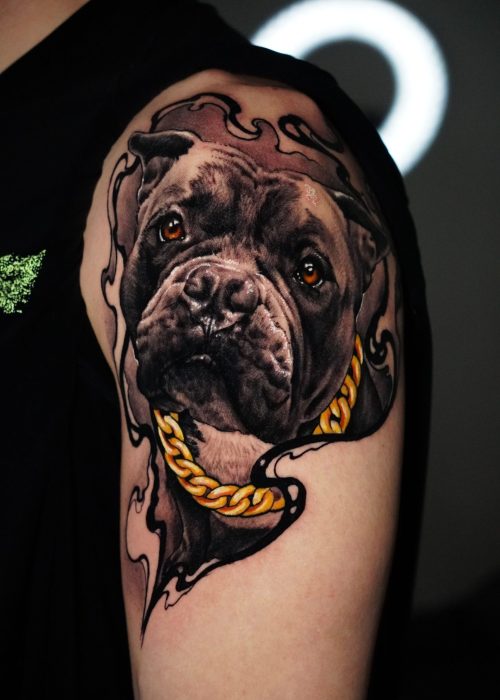
Realism
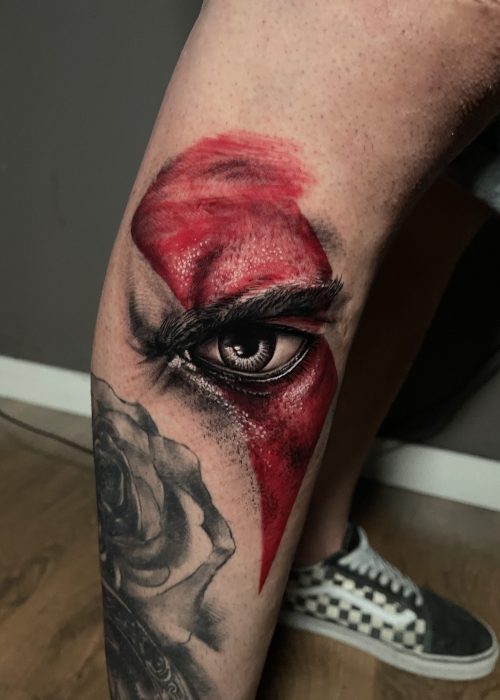
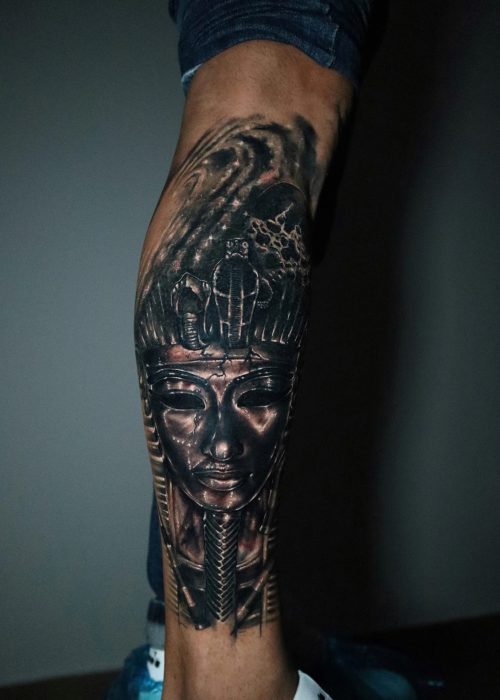
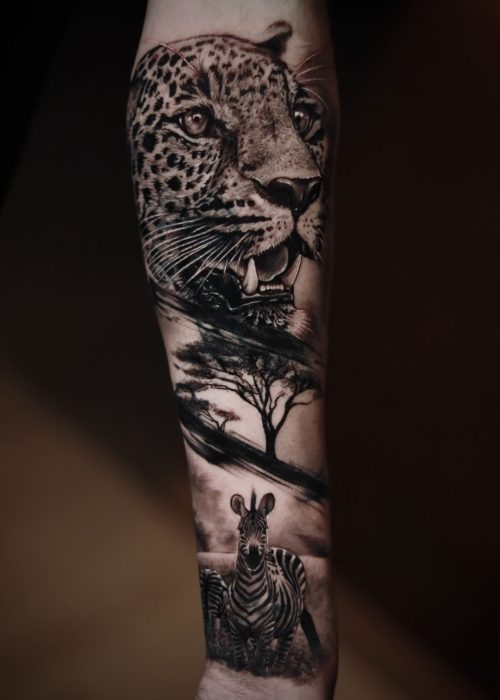
Realism is one of the most difficult techniques. It takes real precision to capture all kinds of detail, texture, light and shadow on the skin, getting as close to reality as possible.
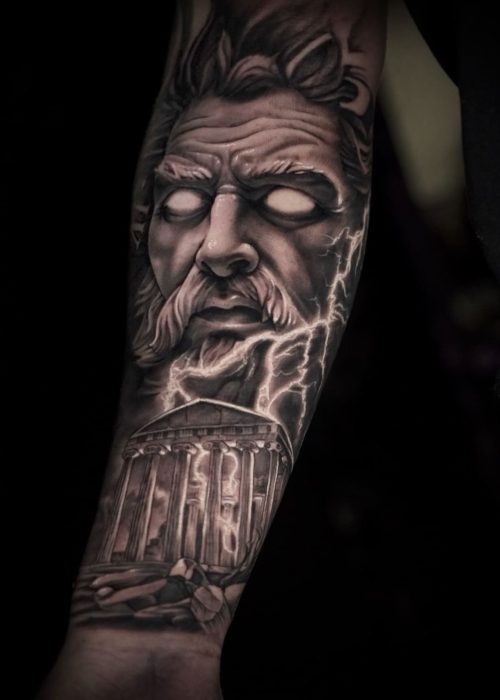
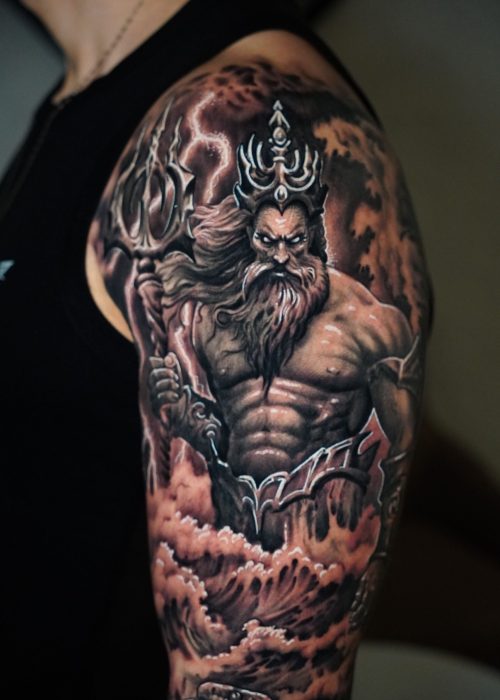
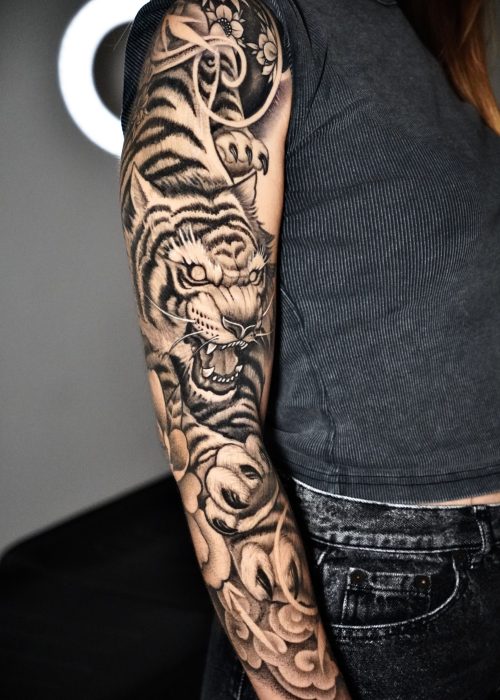
Black and Grey Realism
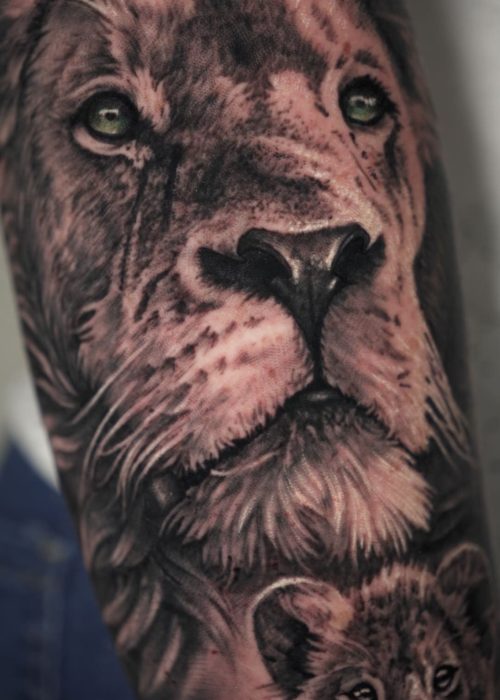
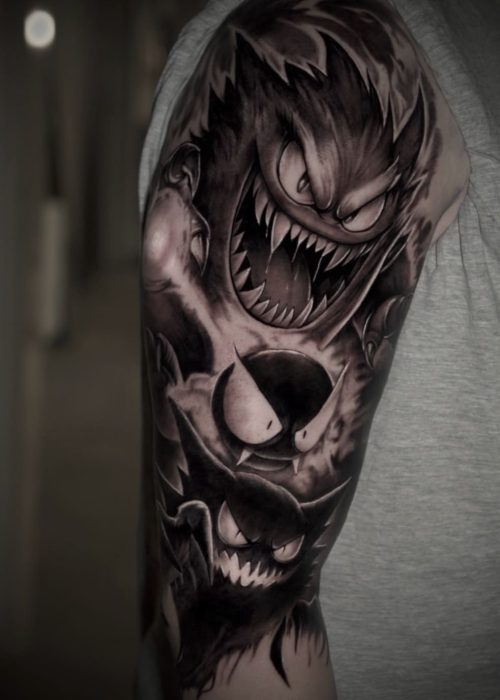
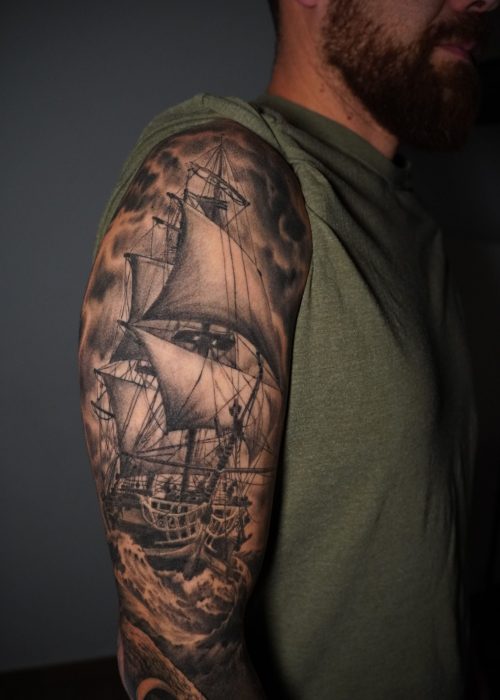
Black and grey realism is a variant of realism that uses different shades of grey to create depth, volume and a more understated, timeless look. Click the button and we will tell you all about it!
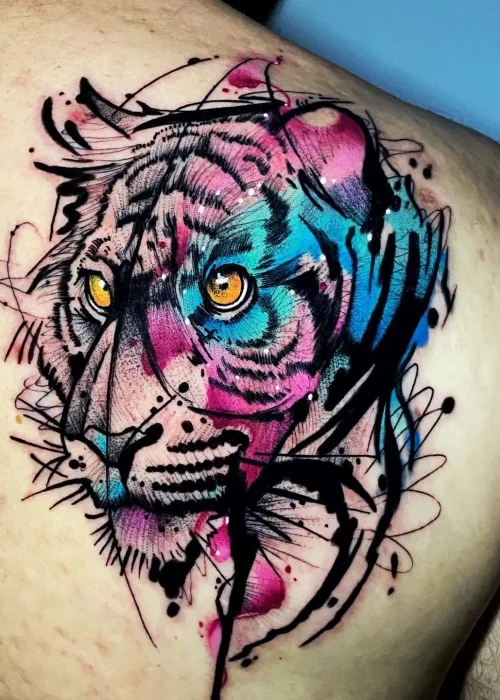
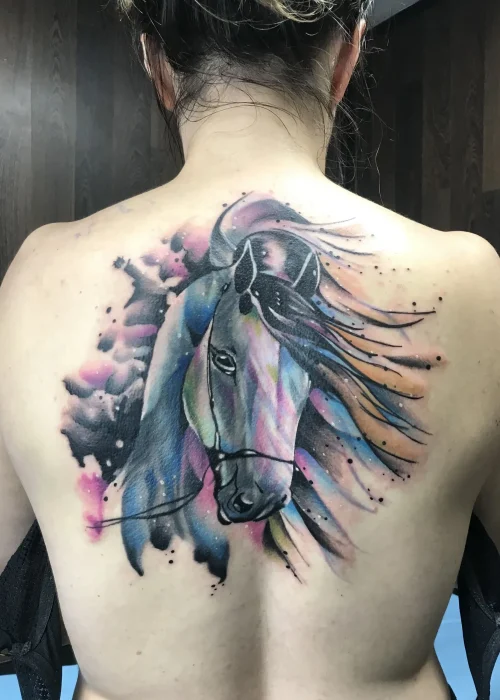
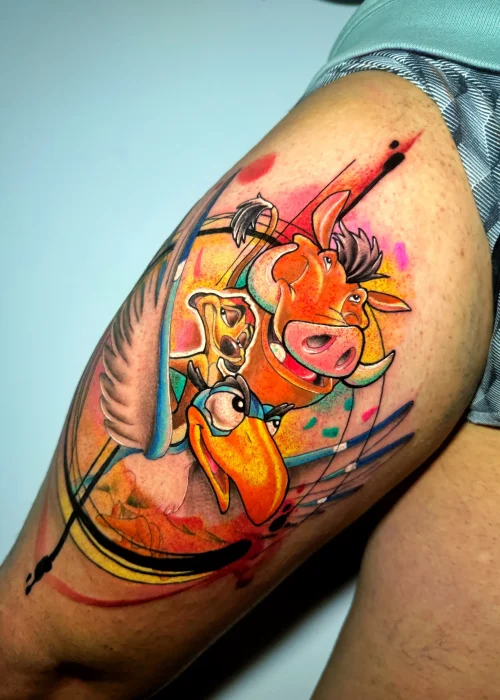
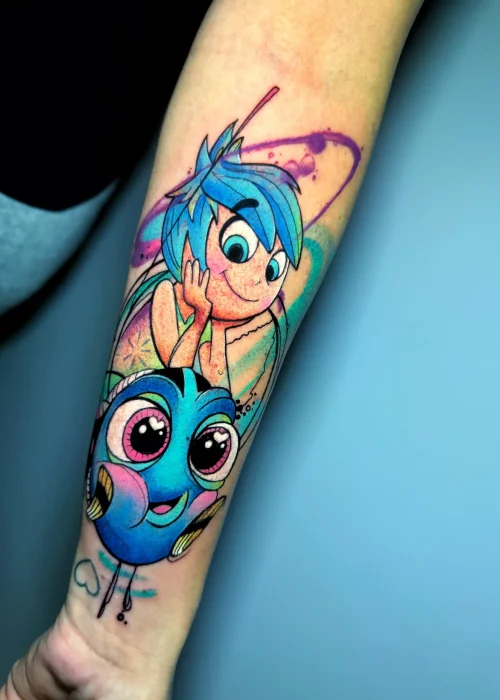
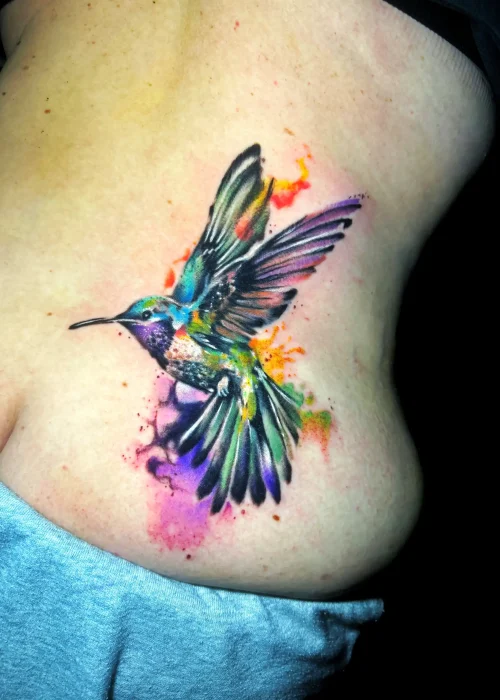
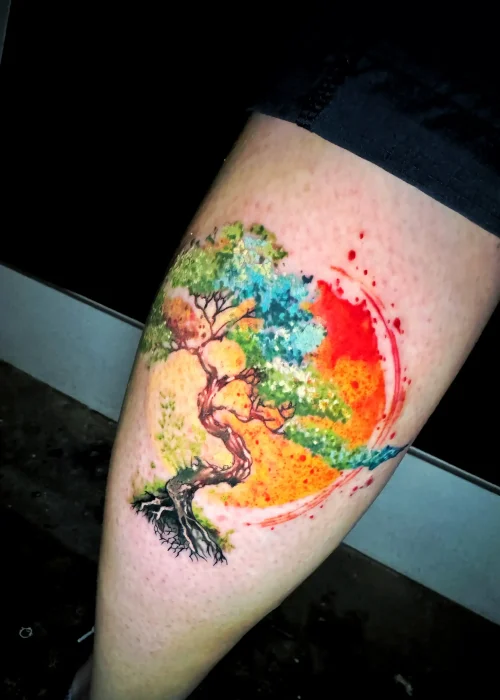
Watercolors
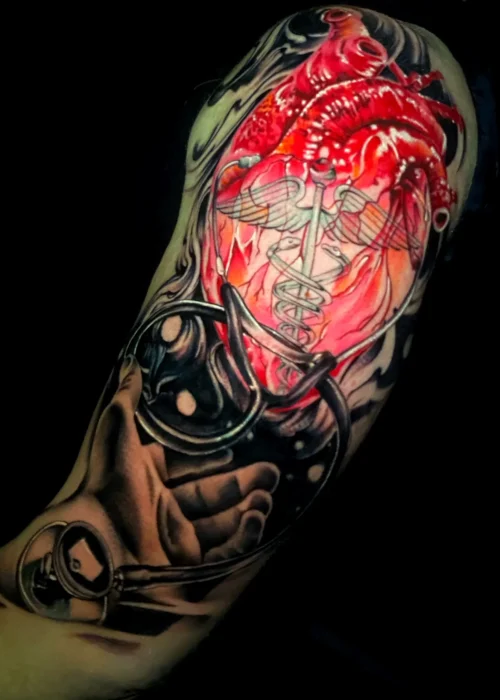
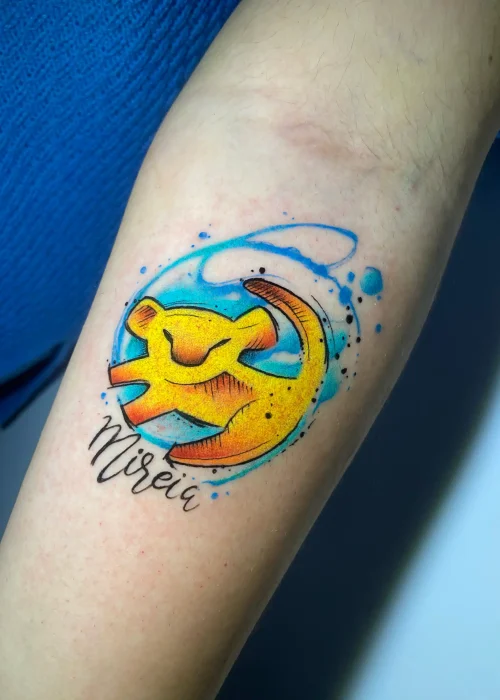
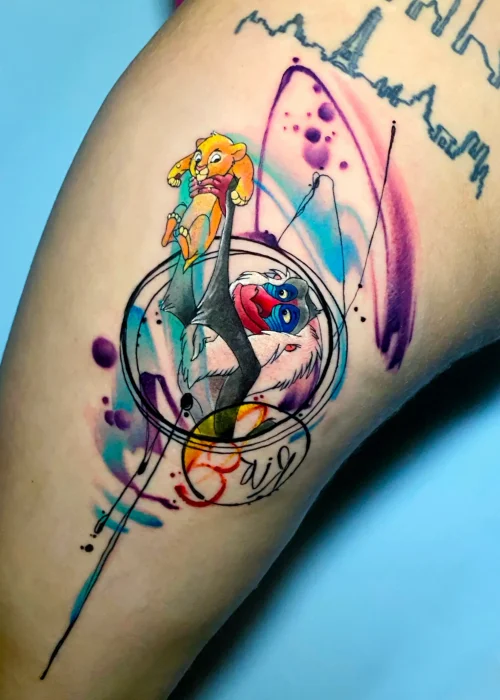
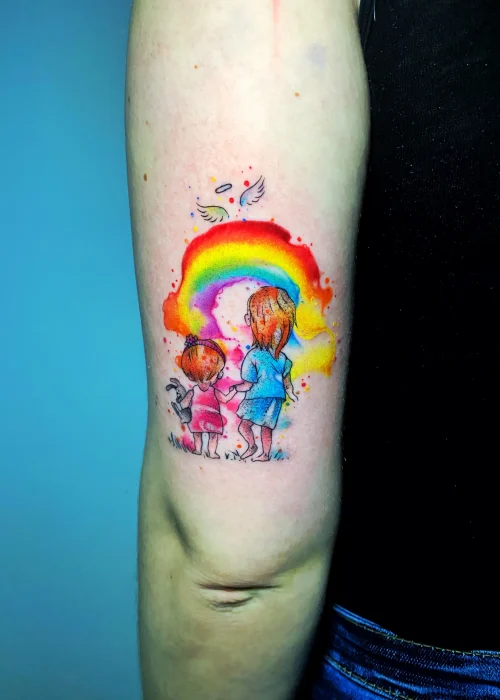
The watercolour style takes its inspiration from watercolour painting and is known for blended colours, splash effects and soft transitions that mimic that painting technique. A good choice for anyone after a tattoo with an artistic, modern look.
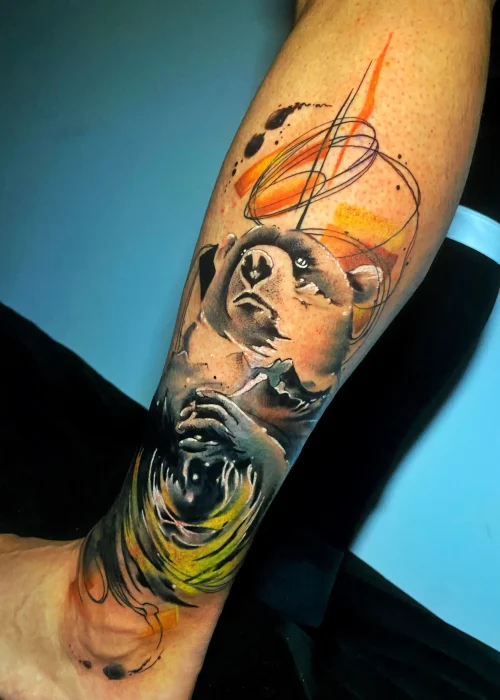
Abstract
Abstract art is art without recognisable figures. It can be made up of lines, geometric shapes and colours, all combined in innovative ways to create truly unique tattoos.
Free Hand
Freehand tattooing is a technique in which the artist draws directly onto the skin without using stencils. That allows the design to adapt completely to the body and be fully personalised.
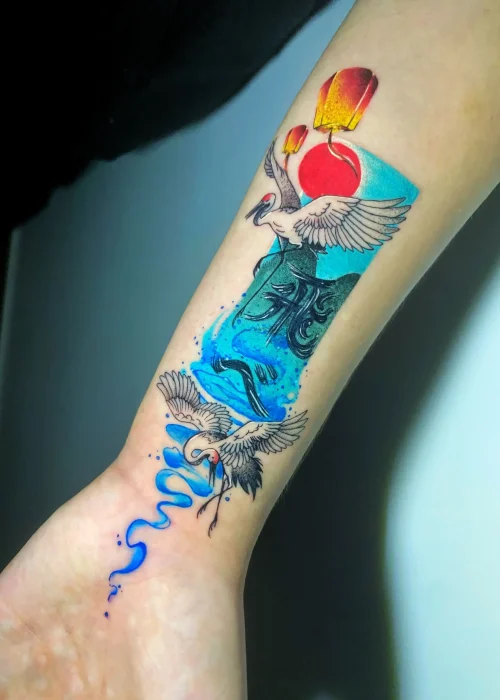
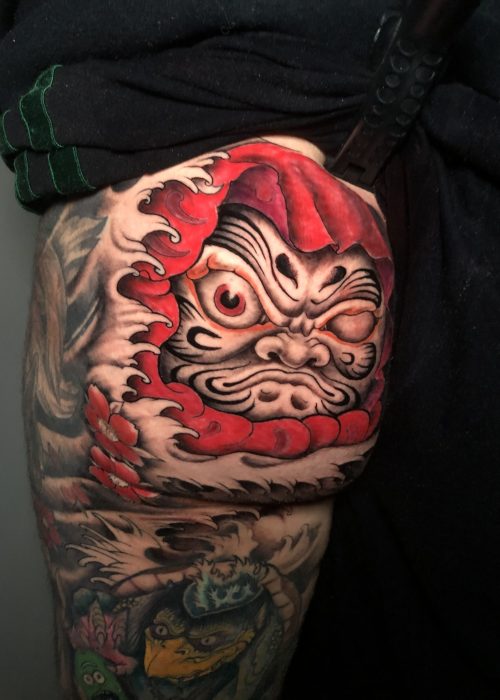
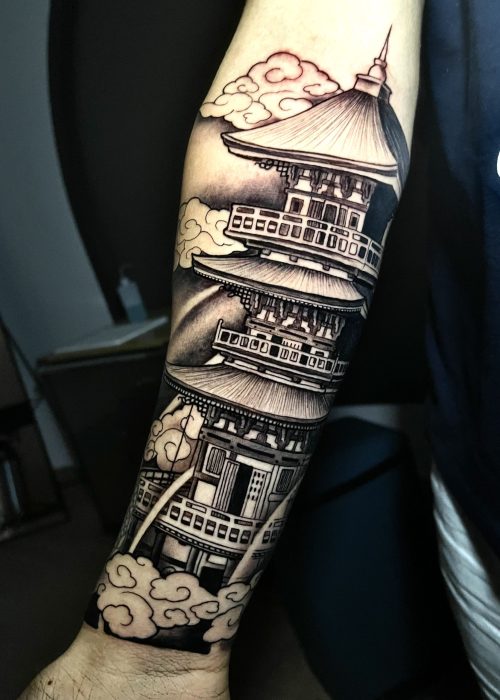
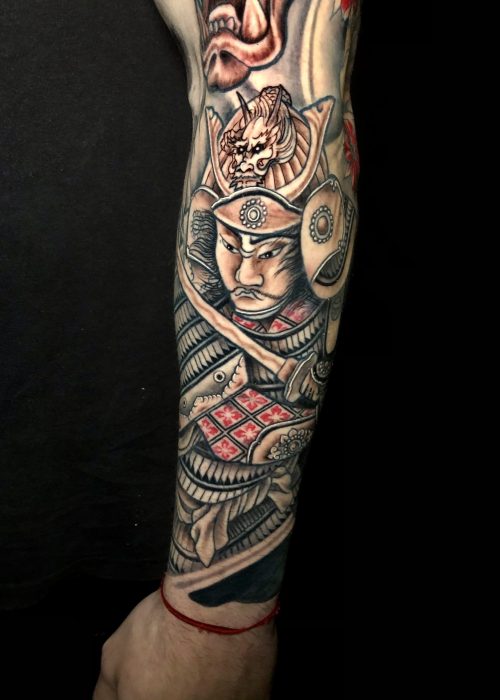
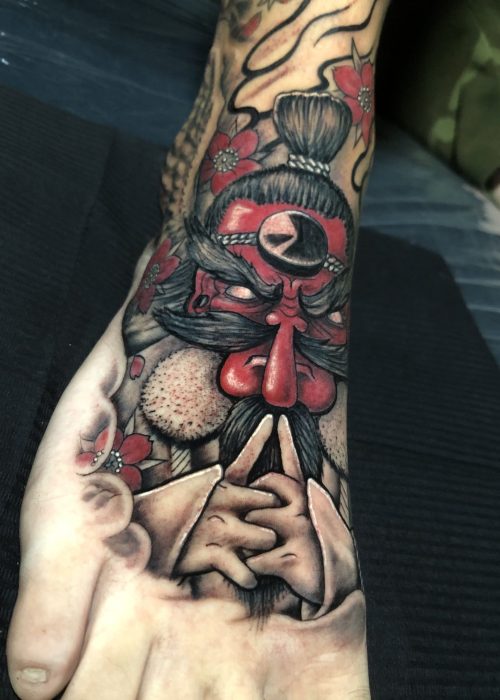
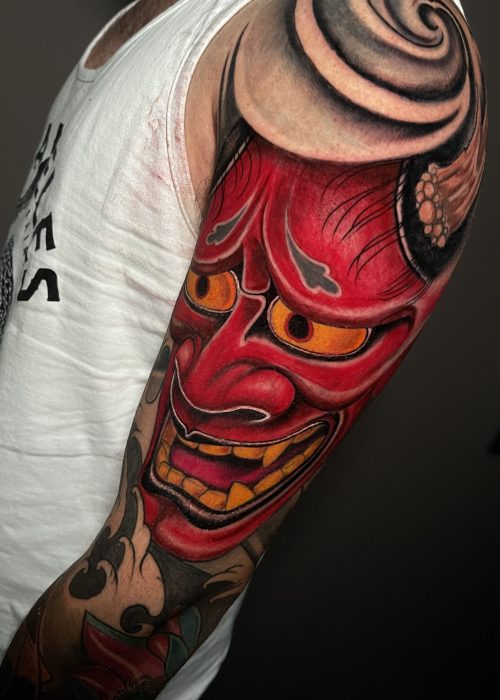
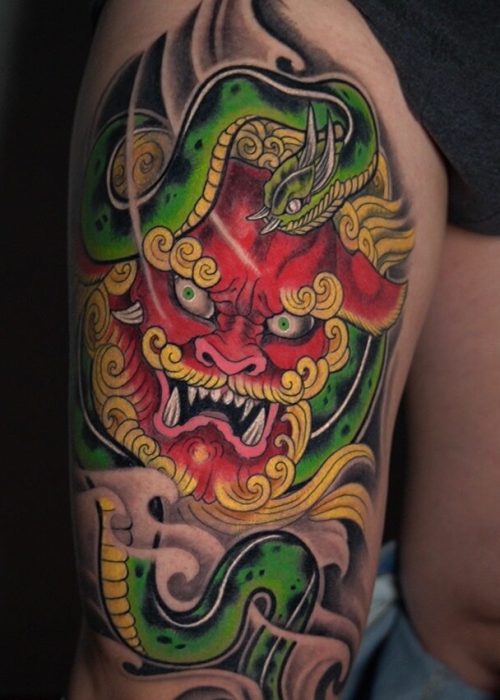
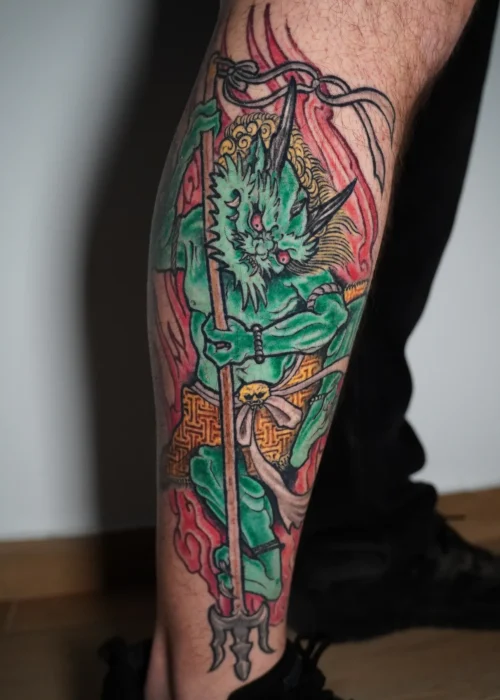
Japanese Art
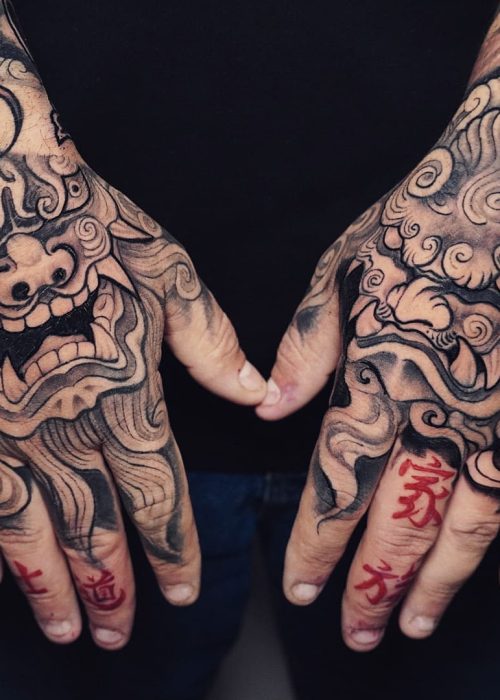
Traditional Japanese tattooing, known as Irezumi, is one of the most iconic styles in tattoo history. It is known for its use of bright colours, strong contrasts and symbolic elements such as dragons, koi carp, samurai and geisha.
Cover Up
Got a tattoo you no longer like or that no longer represents you? Take a look at all our cover up work and get a new tattoo that really matches your personality.
Micropigmentation
Micropigmentation is a technique used for aesthetic or reconstructive purposes. It covers: eyebrows, lips and eyeliner, and areola reconstruction.
See our work
Ready to bring your next tattoo to life?
Why choosing a qualified artist matters
Getting a tattoo is a big decision. It is not just about choosing a nice design, it is about making sure the artist has the right experience, knowledge and technique to put it on your skin in the best possible way.
A qualified artist not only has artistic skill, they also have training in hygiene, application techniques and knowledge of how ink interacts with skin.
Choosing a professional studio like Tracia Tattoo means your tattoo will not only look good, it will also heal properly and last over time.
What are you waiting for? Come and meet our artists in Valencia?
Tattoo Artists in Valencia
We bring together the art, dreams and feelings of both artist and client. Art is a human value that we must protect.



FAQs
How do I choose the best artist for my design?
Choosing the right artist is essential to getting a result you are happy with. The first thing to do is decide what style of tattoo you want, as every artist has different specialities. It is a good idea to look into several artists' work, check their portfolios on social media or on the studio's website, and make sure their style matches what you are after.
It is also important to talk to the artist directly, asking about their experience, techniques and how they work. Do not be afraid to ask for references or even to see their work in person if you can. A good artist will also advise you on placement, size and possible changes to the design so it looks good on the skin and heals properly.
At Tracia Tattoo we have a team of professionals experienced in different styles, such as realism, watercolour and Japanese. If you are not sure which artist to choose, we can help you find the right one for your idea.
Does getting a tattoo hurt a lot?
How much a tattoo hurts varies with the person, the part of the body and how long the session lasts. Some areas, such as the ribs, neck, hands or feet, are more sensitive, while others, like the forearm or upper arm, tend to be more bearable.
While a tattoo does involve some discomfort, many people describe the sensation as a vibration or a burning feeling. We use techniques to minimise the pain, such as applying anaesthetic creams in some cases and adapting the pace of the work to what you can handle. Our artists are also experienced in making the process as bearable as possible, giving you breaks if you need them and making sure you are comfortable throughout.
If it is your first tattoo and you are worried about the pain, we recommend starting with a less sensitive area and a moderately sized design.
How long does a tattoo take to heal?
The healing process of a tattoo has several stages. The first stage, where the skin starts to regenerate, usually lasts between 7 and 14 days. During this time it is normal for the area to feel tender, look red and form a thin scab.
Full healing, though, can take 3 to 4 weeks, depending on the size of the tattoo, how deep the ink went and your skin type. During this period it is essential to follow the aftercare advice: avoid sun exposure, do not scratch or pick the scabs, and keep the area moisturised with specific creams.
In some cases, especially with large tattoos or heavy ink saturation, healing can take up to 2 months before the tattoo settles completely into the skin.
Can I get tattooed if I have allergies or skin problems?
If you have allergies or skin conditions such as dermatitis, psoriasis or a tendency to keloids, it is important to check with a doctor before getting a tattoo. Some people are allergic to certain ink pigments, especially coloured ones, although that is not very common.
Can I bring my own design?
Yes, at Tracia Tattoo you can bring your own design if you already have a clear idea of what you want. That said, the artist needs to review it and adapt it if necessary. Sometimes certain details need adjusting so the tattoo looks better on the skin and keeps its quality over time.
How should I look after my tattoo afterwards?
Aftercare is crucial for a tattoo to heal properly and keep its look. In the first 24-48 hours it is important to keep it covered with the protective film your artist gives you, and avoid touching it with dirty hands.
From the third day you should wash the area with warm water and mild soap, patting it dry gently without rubbing. Apply a moisturiser made for tattoos, preferably fragrance and alcohol free, several times a day to stop the skin drying out.
For the first few weeks, keep the tattoo out of the sun, do not submerge it in pools or the sea, and avoid tight clothing that could irritate the skin. Follow this advice and your tattoo will heal properly and keep its colour and detail intact.
Do you offer touch-ups?
Yes, at Tracia Tattoo we offer touch-ups within a set period after doing your tattoo. That is especially useful on large pieces, where some areas may need adjusting once healing is complete.
The time to ask for a touch-up varies with the type of tattoo and your skin type, but generally we recommend waiting at least a month before deciding whether it is needed.
How much does a tattoo cost?
The price of a tattoo depends on several factors: size, complexity of the design, colours used and placement on the body. At Tracia Tattoo, every tattoo is bespoke, so we recommend coming to the studio for a detailed quote based on your idea.
It is also worth remembering that a tattoo is a long-term investment. Choosing a studio because it is very cheap can mean compromising on the quality of the work and the safety of the procedure.
Do you remove tattoos at Tracia Tattoo?
At Tracia Tattoo we do not do laser tattoo removal, but we do offer cover-up options, which means designing a new tattoo to cover the old one.
Is it a good idea to get tattooed in summer?
Yes, you can get tattooed in summer, but it is important to take extra precautions because of the sun and the heat. For the first few days it is essential to avoid direct sun, the pool and the beach, as chlorinated or salt water can affect healing.
If you decide to get tattooed in summer, make sure you follow the aftercare properly and protect the tattoo with loose, breathable clothing. You can also apply sunscreen once the tattoo has healed completely, to stop the colours fading in the sun.


